Yazar: btercume

  • Casino Bonus ohne Einzahlung im Test: Worauf du beim Spielen achten solltest


    In der Welt der Online-Casinos sind Bonusangebote ohne Einzahlung eine hervorragende Möglichkeit für Spieler, ein neues Casino auszuprobieren, ohne gleich Geld riskieren zu müssen. Diese Art von Bonus ermöglicht es den Spielern, das Casinoangebot zu testen und erste Gewinne zu erzielen, ohne dass eine Einzahlung erforderlich ist. Besonders attraktiv sind die Angebote, die mit einem no deposit bonus casino verbunden sind, da sie viele Vorteile bieten und dir helfen können, die besten Spiele zu entdecken.
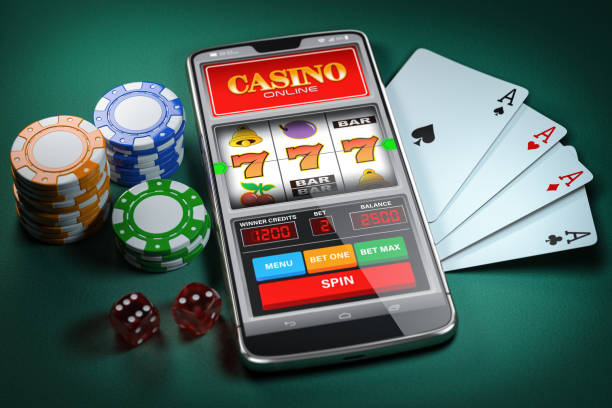
    Worauf Spieler achten sollten, bevor sie spielen

    Bevor du in die Welt der Online-Casinos eintauchst und einen Bonus ohne Einzahlung annimmst, ist es entscheidend, die angebotenen Bedingungen und Regelungen sorgfältig zu prüfen. Es gibt verschiedene Faktoren, die einen großen Einfluss auf dein Spielerlebnis haben können. Dazu gehören die Höhe des Bonus, die Art und Weise, wie du den Bonus nutzen kannst, sowie die Umsatzbedingungen, die du erfüllen musst, bevor du Gewinne auszahlen kannst.

    Ein No Deposit Bonus kann eine großartige Gelegenheit sein, doch die Bedingungen sind oft knifflig. Informiere dich über die verschiedenen Arten von Bonusangeboten und was sie für dich bedeuten, um unangenehme Überraschungen zu vermeiden.

    Wie du den besten Bonus ohne Einzahlung erhältst

    Um den besten Bonus ohne Einzahlung für dich zu finden, befolge diese Schritte:

    1. Recherche durchführen: Vergleiche verschiedene Online-Casinos, um herauszufinden, wo du die besten Boni erhältst.
    2. Registriere dich: Melde dich bei dem gewählten Casino an und bestätige deine E-Mail-Adresse.
    3. Bonus aktivieren: Aktiviere den Bonus in deinem Casino-Konto, oft musst du einen Code eingeben oder eine bestimmte Aktion durchführen.
    4. Spiele auswählen: Wähle die Spiele aus, die für den Bonus qualifiziert sind, und beginne zu spielen.
    5. Umsatzbedingungen verstehen: Mache dich mit den Umsatzanforderungen vertraut, die du erfüllen musst, um Gewinne auszuzahlen.
    • Ein einfacher Prozess, um ohne Risiko zu spielen.
    • Die Möglichkeit, verschiedene Spiele und Casinos auszuprobieren.
    • Risikofreies Lernen von Casinostrategien.

    Praktische Informationen zu Bonusangeboten

    Die Auswahl des richtigen Online-Casinos kann entscheidend sein, um das Optimum aus deinem Bonus ohne Einzahlung herauszuholen. Achte darauf, die Umsatzbedingungen zu prüfen; diese verlangen oft, dass du den Bonusbetrag 40-mal umsetzt, bevor eine Auszahlung möglich ist. Bei Freispielen können die Bedingungen auch um einiges strenger sein, hier kann es zu einem Wagering von 35x auf die möglichen Gewinne kommen.

    Ein weiterer wichtiger Punkt ist die maximale Auszahlung, die du aus dem Bonus erwirtschaften kannst. Zum Beispiel kann ein Bonus von 10 Euro mit einem maximalen Gewinn von 10 Euro aus Freispielen verbunden sein. Halte dich stets an die Casino-Richtlinien und lies die Allgemeinen Geschäftsbedingungen, bevor du zuschlägst.

    • Maximale Auszahlungsmöglichkeiten vergleichen.
    • Verfügbare Spiele im Zusammenhang mit dem Bonus prüfen.
    • Lesen der Allgemeinen Geschäftsbedingungen vor der Aktivierung des Bonus.

    Hauptvorteile von Boni ohne Einzahlung

    No Deposit Boni bieten eine Vielzahl von Vorteilen für neue Spieler und sind ein beliebtes Werkzeug, um die Attraktivität eines Online-Casinos zu steigern. Hier sind einige der wichtigsten Vorteile, die du im Hinterkopf behalten solltest:

    • Risikofrei spielen: Da keine Einzahlung erforderlich ist, kannst du dein Glück versuchen, ohne dein eigenes Geld zu setzen.
    • Kostenlose Erfahrungen sammeln: Ideal für Anfänger, um die Spiele und die Plattform kennenzulernen.
    • Vielfalt der Spielmöglichkeiten: Oft bieten Casinos verschiedene Spiele an, bei denen du den Bonus benutzen kannst.
    • Chance auf echte Gewinne: Auch mit einem No Deposit Bonus hast du die Möglichkeit, echte Gelder zu gewinnen.

    Zusätzlich zu diesen Vorteilen solltest du auch darauf achten, dass die Boni oft zeitlich limitiert sind und das Casino entsprechende Fristen für die Nutzung des Bonus setzt. Informiere dich also stets über die verbliebenen Zeiten, um nichts zu verpassen.

    Vertrauen und Sicherheit bei Online-Casinos

    Sicherheit ist ein entscheidender Faktor, wenn es um Online-Casinos geht. Stelle sicher, dass das Casino, bei dem du spielen möchtest, über eine gültige Lizenz verfügt. Dies kann dir ein gewisses Maß an Sicherheit geben, da lizensierte Casinos strengen Kontrollen unterliegen und die Fairness der Spiele garantieren müssen.

    Darüber hinaus solltest du auf SSL-Verschlüsselungen achten, um sicherzustellen, dass deine persönlichen und finanziellen Informationen geschützt sind. Überprüfe auch, ob das Casino einen guten Kundenservice bietet, der dir bei Fragen oder Problemen schnell weiterhelfen kann.

    Warum ein No Deposit Bonus für dich die richtige Wahl ist

    Ein No Deposit Bonus ist eine hervorragende Gelegenheit, um Online-Casinos risikofrei zu erkunden und erste Einblicke in die Welt des Glücksspiels zu gewinnen. Er bietet dir die Möglichkeit, verschiedene Spiele zu testen und Erfahrungen zu sammeln, ohne dein eigenes Geld investieren zu müssen. Wenn du ein neues Casino ausprobieren möchtest, sind diese Boni eine perfekte Möglichkeit, um deinen Einstieg zu erleichtern.

    Zusammenfassend lässt sich sagen, dass du bei der Auswahl eines Casinos auf die Bonusangebote, die Bonusbedingungen und die Sicherheitsmerkmale achten solltest. Mit dem Wissen, das du aus diesem Artikel gewonnen hast, bist du gut gerüstet, um das Beste aus deinem No Deposit Bonus herauszuholen und ein erfolgreiches Spielerlebnis zu genießen.

  • Casino Concert Venues


    Casino concert venues provide spaces for live music within larger hospitality properties. Some use dedicated auditoriums, while others adapt multipurpose halls or outdoor areas to accommodate different audience sizes and styles of musical performance.

    Sound equipment, stage construction, loading access, and audience circulation are central operational concerns. A concert also changes the pattern of activity in nearby restaurants, entrances, and transport areas as many visitors arrive and leave within a short period.

    The relationship between appearance and function is especially important in a frequently used venue. Decorative choices contribute to character, but the same materials and objects must also withstand cleaning, movement, and repeated handling. A design can remain attractive for longer when maintenance requirements are considered before the space begins operating.

    Periodic review allows a property to compare its intended arrangements with actual daily use. Useful questions concern access, comfort, waiting, maintenance, and the clarity of information. These observations do not require every space to look the same; they help each area perform its particular role within the larger venue.

    The wider setting also matters. A property beside a busy street faces different arrival patterns from one reached mainly by private transport. Nearby hotels, event spaces, and public routes can influence the flow of visitors, making the relationship between the venue and its surroundings part of everyday operational planning.

    A well-organized concert depends on coordination between technical crews and the teams responsible for the surrounding public spaces. Over time, changes in visitor patterns and service arrangements may call for adjustments, making regular observation a useful complement to the original design and to the procedures established when a facility first opens.

  • Casino Supply Management


    Casino supply management coordinates the materials used by the many departments of an entertainment property. These supplies can include food ingredients, cleaning products, printed materials, replacement parts, and everyday items used in guest services.

    Ordering and storage need to reflect both regular consumption and temporary increases associated with events. Accurate records help departments recognize when an item is running low and avoid placing duplicate orders for the same requirement.

    Public entertainment properties bring together people with different expectations and levels of familiarity with the building. Some visitors follow a planned schedule, while others explore the available facilities. Clear information and recognizable service points help both groups make practical decisions without needing to understand the internal organization of the property.

    Operational records support continuity between shifts and departments. A clear description of a task or an unresolved issue allows the next person to continue the work without reconstructing the entire situation. The value of such records depends on relevant details, consistent terminology, and a clear indication of who is responsible for follow-up.

    Temporary conditions can reveal details that are less noticeable during routine operation. A busy performance, a maintenance closure, or a change in weather may alter how people use the building. Reviewing these situations helps teams prepare practical alternatives and keep their explanations consistent when the normal arrangement is unavailable.

    The process is most reliable when purchasing decisions remain connected to the actual use of materials throughout the property. The details may differ between properties, but examining how people use the space provides a consistent way to understand its purpose and identify the everyday connections that support the complete visitor experience.

  • Casino Game Equipment


    Casino game equipment includes the physical objects and devices used to support different gaming activities. Cards, tables, tokens, wheels, and electronic terminals each have distinct storage, inspection, and maintenance requirements.

    An equipment inventory helps staff locate supplies and plan replacements. Records can also show which items belong to a particular area, making it easier to prepare a room or temporarily remove equipment that requires attention.

    The relationship between appearance and function is especially important in a frequently used venue. Decorative choices contribute to character, but the same materials and objects must also withstand cleaning, movement, and repeated handling. A design can remain attractive for longer when maintenance requirements are considered before the space begins operating.

    Routine observation is an important part of managing this environment. Staff can note recurring questions, worn surfaces, difficult routes, or delays that are not obvious from a drawing. These observations provide a practical starting point for small improvements and help distinguish a temporary inconvenience from an issue that appears repeatedly.

    The most informative assessment considers the entire journey through the property. A comfortable room can still be difficult to use if it is poorly signposted, and a clear entrance can lead to confusing internal routes. Looking at these connections gives a fuller picture than judging individual features entirely in isolation.

    Managing this equipment is a practical process that links purchasing and storage with the daily needs of the gaming floor. Over time, changes in visitor patterns and service arrangements may call for adjustments, making regular observation a useful complement to the original design and to the procedures established when a facility first opens.