The thrill of uncertainty
The allure of casinos often lies in the thrill of uncertainty that gambling provides. This sense of unpredictability taps into a fundamental human desire for excitement and adventure. Each roll of the dice, flip of a card, or spin of a wheel offers a moment charged with potential, where fortunes can change in an instant. This element of chance engages our emotions and keeps our adrenaline pumping, intensifying the experience of playing, especially when exploring online pokies that offer unique gameplay. The anticipation of possible outcomes creates a heightened state of awareness, drawing individuals into a world where anything can happen.
Furthermore, the psychological phenomenon known as variable reinforcement plays a crucial role in why we find gambling so appealing. In this context, players may receive rewards at unpredictable intervals, which can foster a compulsive desire to keep playing. Unlike more straightforward activities, the excitement of not knowing when a win will occur can be intoxicating. The potential for a big win can overshadow the frequent losses, compelling individuals to return for more, even if their rational mind recognizes the risks involved. This unpredictability reinforces the behavior, creating a loop that can be challenging to break.
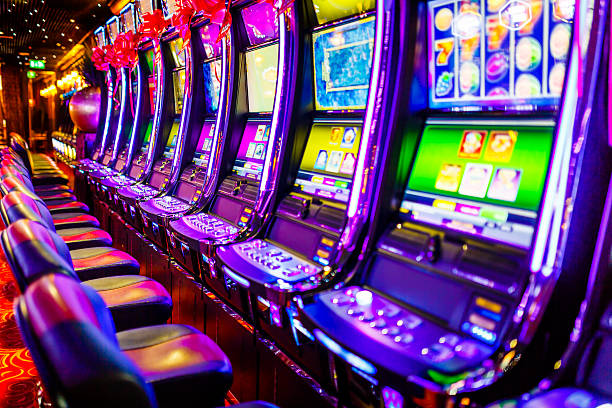
Additionally, the ambiance of a casino enhances this thrill. Bright lights, vibrant sounds, and the buzz of excitement create an immersive environment that captivates players. This carefully curated atmosphere encourages longer play sessions and amplifies the anticipation surrounding each game. The design elements in casinos, such as the strategic placement of machines and tables, are purposefully intended to distract and stimulate, making it easy for players to lose track of time and become enveloped in the experience. This ongoing cycle of thrill and excitement feeds their desire for the unknown, making each visit to the casino a unique adventure.
The social aspect of gambling
Another compelling reason we love casinos is the social environment they foster. Unlike solitary activities, gambling often occurs in communal settings, allowing individuals to engage with others who share similar interests. This social interaction can enhance the overall experience, turning a simple game into a shared event that encourages camaraderie and friendly competition. The thrill of celebrating wins or commiserating over losses can deepen connections among friends and strangers alike, making every visit to a casino not just about the games but also about the people involved.
Casinos often serve as gathering places where individuals can escape from their daily routines. Whether it’s enjoying a night out with friends or meeting new people at the tables, the social aspect of gambling provides an opportunity for meaningful interactions. Many people cherish these connections, as they create memories that are often more valuable than the monetary wins associated with the games. This community aspect can contribute significantly to the overall enjoyment of the gambling experience, making it an integral part of why people are drawn to casinos.
Additionally, the presence of laughter, cheers, and even the occasional groan can amplify the emotional highs and lows of gambling. This shared experience can create a sense of belonging, as individuals rally together in their triumphs and defeats. The ability to connect with others through shared experiences not only makes gambling more enjoyable but can also contribute to a greater sense of fulfillment. This social dynamic transforms the act of gambling into a richer, more engaging experience that resonates deeply with many individuals.
The escape from reality
For many, gambling offers a much-needed escape from the stresses and routines of everyday life. Stepping into a casino can feel like entering an entirely different world, one that is vibrant and full of possibilities. The immersive environment allows players to temporarily detach from their responsibilities and immerse themselves in a leisure-focused atmosphere. This momentary distraction can have therapeutic implications, providing a reprieve from life’s challenges and the monotony that often accompanies daily routines.
Moreover, the act of gambling can evoke feelings of hope and anticipation. Players may dream of hitting a jackpot or winning a substantial prize, which can momentarily elevate their mood and outlook on life. This hope can be particularly attractive to individuals facing difficulties, as it offers a glimmer of optimism in otherwise bleak circumstances. The thrill of envisioning a brighter future through a game of chance can provide a much-needed boost, making casinos appealing destinations for those seeking a break from their reality.
However, it is important to address the potential downsides of this escape. While many people gamble responsibly, others may find themselves drawn deeper into the activity as a means of coping with stress or unhappiness, potentially leading to addiction. Understanding the fine line between healthy escapism and problem gambling is crucial. Individuals should be aware of their motivations for gambling and ensure that their experiences enhance rather than detract from their lives. Recognizing when the escape becomes a problem is essential for maintaining a healthy relationship with gambling.
The role of design and marketing in casinos
The design and marketing strategies employed by casinos contribute significantly to their appeal. Casinos are meticulously crafted to create a sense of excitement and euphoria. With vibrant colors, strategic lighting, and an enticing layout, every element is designed to captivate and enthrall visitors. The absence of clocks and windows creates a disorienting effect, encouraging guests to stay longer than they may have initially intended. This clever design keeps players engaged and coming back for more, making it a critical component of the casino experience.

Additionally, marketing tactics often capitalize on the psychology of gambling. Promotions, loyalty programs, and enticing bonuses serve to attract players who may be on the fence about visiting a casino. The use of enticing language and images in advertisements invokes feelings of excitement and adventure, making gambling seem accessible and thrilling. These strategies tap into the inherent human desire for rewards and accomplishments, further amplifying the allure of casinos and drawing in new patrons who are eager to join the fun.
Such marketing techniques can also influence how people perceive and engage with gambling. As they see advertisements depicting glamorous lifestyles associated with big wins, individuals may be drawn into the fantasy of what gambling can offer. This imagery creates unrealistic expectations, making it crucial for players to approach gambling with a balanced mindset. Understanding the tactics used to design and promote these environments is essential for making informed decisions about gambling, ensuring that individuals can separate reality from fantasy.
Understanding responsible gambling
As we delve into the psychology of gambling and its multifaceted appeal, it becomes imperative to discuss responsible gambling practices. Understanding the fine line between enjoyment and addiction is essential for maintaining a healthy relationship with gambling. Many casinos offer resources and information about responsible gambling, providing players with guidelines on how to manage their time and spending effectively. This emphasis on responsible play is vital for ensuring that gaming remains a fun and harmless activity, allowing individuals to enjoy the thrill without falling into problematic behaviors.
Moreover, players must be encouraged to set limits and adhere to them. Whether it’s a budget for spending or a timeframe for play, establishing boundaries can help ensure that gambling remains a source of entertainment rather than a financial or emotional burden. Casinos recognize the importance of this aspect and often provide tools that allow players to self-exclude or track their playtime, fostering an environment of awareness and self-control. This proactive approach is essential for mitigating potential risks associated with gambling.
Education is another key component in promoting responsible gambling. The more informed individuals are about the risks and realities of gambling, the better equipped they are to make conscious choices. Many casino websites include sections dedicated to responsible gaming, outlining strategies and resources available to assist players. By prioritizing education and awareness, the gambling community can help ensure that the thrilling world of casinos remains an enjoyable escape rather than a detrimental trap. This commitment to responsible gambling reflects a growing understanding of the importance of maintaining a healthy gaming environment for all players.